- Panchashil Plaza, 9th Floor, 55 Hughes Road, Opp. Metro Motors, Behind Dharam Palace, Mumbai - 400 007
- 022 2363 4602

Spirometry
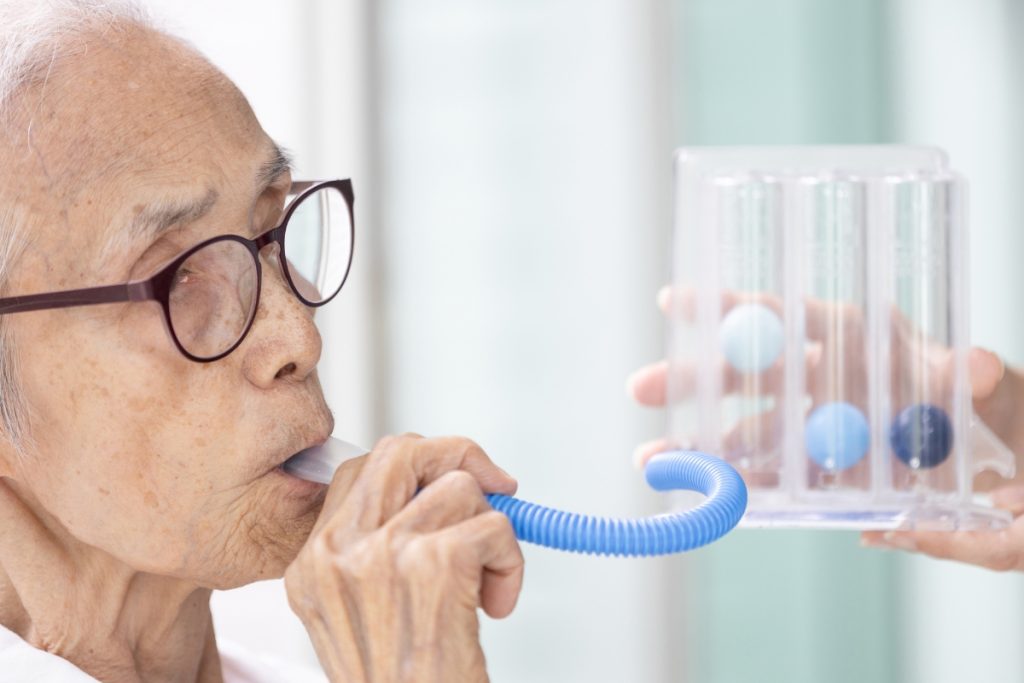
Spirometry
Spirometry is a common diagnostic test used to assess lung function by measuring the amount and speed of air that can be inhaled and exhaled. It is a valuable tool for evaluating respiratory conditions, such as asthma, chronic obstructive pulmonary disease (COPD), and other lung disorders. Spirometry is a simple, non-invasive procedure that provides important information about lung capacity, airflow, and respiratory muscle function.
Here's an overview of how spirometry works
- Patient Preparation: The patient is typically seated comfortably. Before the test, the healthcare professional explains the procedure and provides instructions to ensure accurate and reliable results.
- Mouthpiece and Nose Clip: The patient is given a mouthpiece attached to a spirometer, which is a device that measures airflow. A nose clip may be applied to ensure that air is only exchanged through the mouth.
- Baseline Measurements: The patient takes a deep breath and then exhales forcefully and completely into the spirometer. This initial measurement, known as the forced vital capacity (FVC), represents the maximum amount of air a person can exhale after a deep inhalation.
- Forced Expiration: After the initial deep inhalation, the patient exhales as forcefully and rapidly as possible. This measurement is called the forced expiratory volume in 1 second (FEV1) and represents the amount of air expelled in the first second of the forced breath.
- Repeat Measurements: The procedure is typically repeated several times to ensure accuracy and consistency of the results. The best values obtained for FVC and FEV1 are used for analysis.
- Post-Bronchodilator Testing (Optional): In some cases, spirometry may be repeated after the administration of a bronchodilator (a medication that opens up the airways) to assess the reversibility of airflow obstruction, which can help differentiate between conditions like asthma and COPD.
Spirometry provides several key measurements, including
Forced Vital Capacity (FVC): The total amount of air exhaled forcefully after a deep inhalation.
Forced Expiratory Volume in 1 Second (FEV1): The volume of air expelled in the first second of a forced breath.
FEV1/FVC Ratio: The proportion of the total air exhaled in the first second compared to the total forced vital capacity. This ratio is used to assess airflow obstruction.
Spirometry is valuable for diagnosing and monitoring respiratory conditions, assessing the severity of lung diseases, and determining the effectiveness of treatment interventions. The results of spirometry are interpreted by healthcare professionals, often in conjunction with other clinical information and tests, to guide the diagnosis and management of respiratory disorders.

Dr. Dhiren R Shah, a highly experienced cardiologist since 1987, offers comprehensive cardiac care at his clinic. Equipped with advanced facilities
Copyright ©2024 All rights reserved | Designed by Rebecca Digital